COMPARISON OF SERUM RENAL PROFILE AND CHEST X-RAY CHANGES BETWEEN PRE-DIALYSIS AND POST-DIALYSIS IN DISTRESSED CHRONIC KIDNEY DISEASE PATIENTS.
- NEERAJA BENDI , DEPARTMENT OF CRITICAL CARE MEDICINE, APOLLO HOSPITALS, HEALTH CITY, VISAKHAPATNAM.
- ANJANI ACHANTA , ASSISTANT PROFESSOR, DEPARTMENT OF GENERAL MEDICINE, GREAT EASTERN MEDICAL SCHOOL & HOSPITAL, ANDHRA PRADESH.
- REDDI KIRAN KUMAR , ASSISTANT PROFESSOR, DEPARTMENT OF EMERGENCY MEDICINE, ANDHRA MEDICAL COLLEGE, ANDHRA PRADESH.
- POTULA NAMRATA , ASSOCIATE PROFESSOR, EMERGENCY MEDICINE, GREAT EASTERN MEDICAL SCHOOL & HOSPITAL, ANDHRA PRADESH.
- DONTHIREDDY LEELADURGA , SENIOR RESIDENT, EMERGENCY MEDICINE, GREAT EASTERN MEDICAL SCHOOL & HOSPITAL, ANDHRA PRADESH.
- SURYA SIMHA REDDY MOLAKALA , JUNIOR RESIDENT, EMERGENCY MEDICINE, GREAT EASTERN MEDICIAL SCHOOL & HOSPITAL, ANDHRA PRADESH.
- PONNADA SARATH CHANDRA , MBBS INTERN, GREAT EASTERN MEDICAL SCHOOL AND HOSPITAL, ANDHRA PRADESH.
Article Information:
Abstract:
Background: Chronic Kidney Disease (CKD) is a major global health problem associated with significant morbidity and mortality. Distressed CKD patients commonly present with fluid overload, electrolyte imbalance, metabolic acidosis, and pulmonary complications requiring emergency hemodialysis. The study aimed to investigate the efficacy of hemodialysis by comparing pre- and post-dialysis serum renal profiles and chest X-ray changes in distressed CKD patients presenting to the emergency department. Materials and Methods: This prospective observational study was conducted among 123 patients with CKD stage 5 on maintenance hemodialysis who presented with respiratory distress at a tertiary care hospital between December 2022 and June 2024. Clinical examination, serum renal profile, serum electrolytes, arterial blood gas (ABG), and chest X-ray findings were assessed before and after dialysis. Statistical analysis was performed using SPSS version 24, and p<0.05 was considered statistically significant. Results: The majority of patients were aged 61–70 years, with a male predominance. Significant improvement was observed in blood urea, serum creatinine, serum potassium, bicarbonate levels, pH, and MMRC dyspnea score following dialysis (p<0.00001). Hypoglycemia, electrolyte imbalance, and hypotension were the most common complications. Hypotension was significantly associated with adverse outcomes. Conclusion: Emergency hemodialysis significantly improves biochemical abnormalities, metabolic acidosis, and respiratory distress in CKD patients in distress. Early dialysis and careful monitoring may reduce complications and improve patient outcomes.
Keywords:
Article :
INTRODUCTION:
Chronic Kidney Disease (CKD) is a progressive and irreversible deterioration of renal function characterised by gradual loss of glomerular filtration rate over a prolonged period. It has emerged as a major global public health problem because of its increasing prevalence, high morbidity, mortality, and financial burden on healthcare systems [1].
CKD commonly develops secondary to diabetes mellitus, hypertension, chronic glomerulonephritis, and other systemic disorders. As renal function progressively declines, patients develop disturbances in fluid balance, electrolyte homeostasis, acid–base equilibrium, and accumulation of nitrogenous waste products such as serum urea and creatinine [2].
In advanced stages, especially stage 5 CKD or End-Stage Renal Disease (ESRD), dialysis becomes the principal life-saving therapeutic modality. Hemodialysis remains the most frequently used renal replacement therapy for the removal of excess fluid, metabolic waste products, and correction of electrolyte abnormalities [3].
Patients with advanced CKD frequently present with distress due to fluid overload, pulmonary oedema, metabolic derangements, and cardiovascular complications [4]. Pulmonary manifestations are particularly common in CKD because of the close physiological relationship between the kidneys and lungs.
Reduced renal function leads to sodium and water retention, increased capillary permeability, anaemia, hypoalbuminemia, and cardiac dysfunction, all of which contribute to pulmonary congestion and oedema [1]. These pulmonary changes are often evident on chest radiography as cardiomegaly, hilar prominence, vascular congestion, pleural effusion, interstitial oedema, and alveolar opacities [5]. Chest X-ray therefore serves as an inexpensive, rapid, and widely available imaging modality for evaluating pulmonary complications in dialysis patients.
Hemodialysis not only improves biochemical abnormalities but also contributes significantly to the reduction of pulmonary congestion by removal of excess extracellular fluid [3]. Following dialysis, substantial changes may occur in serum renal profile parameters, including blood urea, serum creatinine, sodium, potassium, bicarbonate, calcium, and phosphate [6]. Simultaneously, improvement in pulmonary oedema and radiological findings may be observed on chest X-ray.
Evaluation of these changes before and after dialysis is clinically important because it helps assess dialysis adequacy, severity of volume overload, and cardiopulmonary improvement in distressed CKD patients. Despite advancements in dialysis therapy, pulmonary complications continue to be a major cause of hospitalisation and mortality among CKD patients [7].
Several earlier studies have evaluated pulmonary abnormalities and respiratory complications in CKD patients undergoing dialysis. Mani et al. reported a significantly higher prevalence of pulmonary manifestations among patients with CKD, emphasising the role of fluid overload and uremic changes in respiratory dysfunction [2].
Shaik et al. observed that respiratory symptoms and radiological abnormalities were common in patients undergoing maintenance hemodialysis and were associated with impaired quality of life [4]. Zoccali et al. highlighted the importance of detecting lung congestion in patients with kidney failure and stressed that pulmonary oedema remains underdiagnosed despite its prognostic significance [8]. Tabakoglu et al. studied chest radiographic findings in dialysis patients and demonstrated their association with survival outcomes and biochemical parameters [5]. Other researchers have also emphasised the importance of monitoring electrolyte disturbances and metabolic complications in CKD patients undergoing hemodialysis [6,9].
Although multiple studies have separately evaluated renal biochemical parameters or pulmonary manifestations in CKD, only limited research has simultaneously compared changes in serum renal profile and chest X-ray findings before and after hemodialysis in distressed CKD patients [5]. Most available studies focus predominantly on pulmonary function tests, respiratory symptoms, or isolated biochemical improvement following dialysis.
There remains inadequate literature correlating radiological resolution of pulmonary congestion with biochemical improvement immediately after dialysis sessions, especially in symptomatic or distressed CKD patients in resource-limited tertiary care settings [8]. Furthermore, there is a scarcity of Indian studies that evaluate the combined impact of serum renal profile and chest X-ray changes in the same patient population, using pre- and post-dialysis comparisons.
The present study aims to investigate the efficacy and outcomes of hemodialysis by comparing pre- and post-dialysis serum renal profiles and chest X-ray changes in distressed patients with chronic kidney disease (CKD) presenting to the emergency department. The study also evaluates changes in vital parameters, serum electrolytes, ABG findings, dyspnea, morbidity and mortality, need for rescue interventions, complications of hemodialysis, and factors associated with disease severity and patient outcomes.
MATERIALS AND METHODS:
Study Design and Setting
The present study was a prospective observational study conducted in the Department of Emergency Medicine at Great Eastern Medical School and Hospital over 18 months, from December 2022 to June 2024. The study included distressed Chronic Kidney Disease (CKD) patients with end-stage renal disease presenting with shortness of breath and requiring emergency hemodialysis. Ethical clearance was obtained from the Institutional Ethics Committee prior to commencement of the study, and informed consent was obtained from all participants. Confidentiality of patient information was strictly maintained throughout the study.
Sample Size and Sampling Technique
The sample size was calculated using Epi Info software, based on a population survey methodology, with a 90% confidence level and a 5% margin of error, yielding a minimum required sample size of 81 patients. A total of 157 patients were screened during the study period, of whom 123 were eligible and had complete data and were finally included in the study. A convenience sampling technique was used for patient recruitment.
Inclusion Criteria
• Patients aged 18 years and above.
• Patients of either gender.
• Patients diagnosed with CKD stage 5 on maintenance hemodialysis.
• Patients willing to provide informed consent.
• Patients with associated comorbidities.
Exclusion Criteria
• Pregnant and lactating women.
• Patients with bronchial asthma, pulmonary tuberculosis, or COPD.
• Patients with local skin infections or diseases.
• Patients with dyselectrolytemia without renal disease.
• Patients with psychiatric illness.
• Patients with recent surgery or trauma.
• Acute kidney injury patients.
• Expected survival less than 6 months.
• Hemoglobin less than 8 g/dL.
• Recent thoracic surgery.
• Active infections, ESLF, pacemaker/ICD implantation.
• Patients with malignancies, retroviral diseases, or CKD stages 1–4.
• Patients not willing for dialysis or unwilling to provide consent.
Study Tools
The study tools included detailed clinical history, physical examination, monitoring of vital parameters, laboratory investigations, arterial blood gas (ABG) analysis, serum renal profile, serum electrolytes, and chest radiography (PA view). RALE scoring was used to assess pulmonary oedema severity on chest X-ray.
Data Collection Procedure
• Eligible patients presenting to the emergency department were enrolled after informed consent.
• Demographic details including age, gender, smoking history, and comorbidities were recorded.
• Baseline vitals, serum renal profile, serum electrolytes, ABG analysis, and chest X-ray findings were documented before dialysis.
• Hemodialysis was initiated as early as possible according to dialysis orders.
• Vitals were monitored continuously during dialysis.
• Any complications, rescue interventions, and outcomes during or after dialysis were documented.
• Repeat serum investigations, ABG, vitals, and chest X-ray were performed 6 hours after dialysis.
• Data were recorded systematically in tabular and graphical formats for analysis.
Parameters Assessed
The parameters evaluated included age, gender, smoking history, comorbidities, haemoglobin levels, serum urea, serum creatinine, serum electrolytes, vital parameters, ABG findings, RALE score, dialysis-related complications, interventions performed, and post-dialysis clinical outcomes.
Statistical Analysis
Data collected were entered into Microsoft Excel 2019 and analysed using Epi Info version 7.2.5 and IBM SPSS Statistics version 24. Qualitative variables were expressed as frequencies and percentages, while quantitative variables were expressed as means and standard deviations.
Chi-square test and Fisher’s exact test were used for comparison of qualitative variables. Paired t-test and One-Way ANOVA were used for quantitative data analysis. Logistic regression analysis was also performed where appropriate. A p-value of less than 0.05 was considered statistically significant. Results were presented using tables and graphs.
RESULTS:
Table 1: Baseline Demographic Characteristics of the Study Population
|
Parameter |
Frequency (n=123) |
Percentage (%) |
|
Age Group (Years) |
||
|
20–30 |
2 |
1.6 |
|
31–40 |
5 |
4.1 |
|
41–50 |
20 |
16.4 |
|
51–60 |
33 |
27.0 |
|
61–70 |
55 |
44.3 |
|
>70 |
8 |
6.5 |
|
Gender |
||
|
Male |
85 |
69.7 |
|
Female |
37 |
30.3 |
|
BMI |
||
|
<18.5 |
2 |
1.6 |
|
18.5–24.9 |
62 |
50.8 |
|
25–29.9 |
56 |
45.9 |
|
>30 |
2 |
1.6 |
The majority of the study population belonged to the age group of 61–70 years (44.3%), indicating a higher prevalence of advanced CKD among elderly individuals. Male patients predominated the study population, accounting for 69.7%, while females constituted 30.3%. Most patients had normal BMI (50.8%), whereas 45.9% were overweight. Very few patients were underweight or obese. These findings suggest that distressed CKD patients requiring emergency hemodialysis are commonly elderly males with associated metabolic risk factors.
Table 2: Vascular Access and Medication Profile
|
Parameter |
Frequency |
Percentage (%) |
|
Vascular Access |
||
|
AV Fistula |
61 |
50 |
|
Catheter |
53 |
43.4 |
|
AV Graft |
8 |
6.5 |
|
Medication Used |
||
|
Statins |
42 |
34.4 |
|
Oral Hypoglycemic Agents |
41 |
33.6 |
|
Calcium Channel Blockers |
40 |
32.7 |
|
Beta Blockers |
27 |
22.1 |
|
Aspirin |
24 |
19.7 |
AV fistula was the most commonly used vascular access for dialysis, followed closely by catheter access. AV graft usage was relatively low. Among medications, statins, oral hypoglycemic agents, and calcium channel blockers were frequently prescribed, reflecting the high prevalence of cardiovascular disease and diabetes in the study population. These findings indicate that most patients were on long-term maintenance therapy for associated metabolic and cardiovascular conditions.
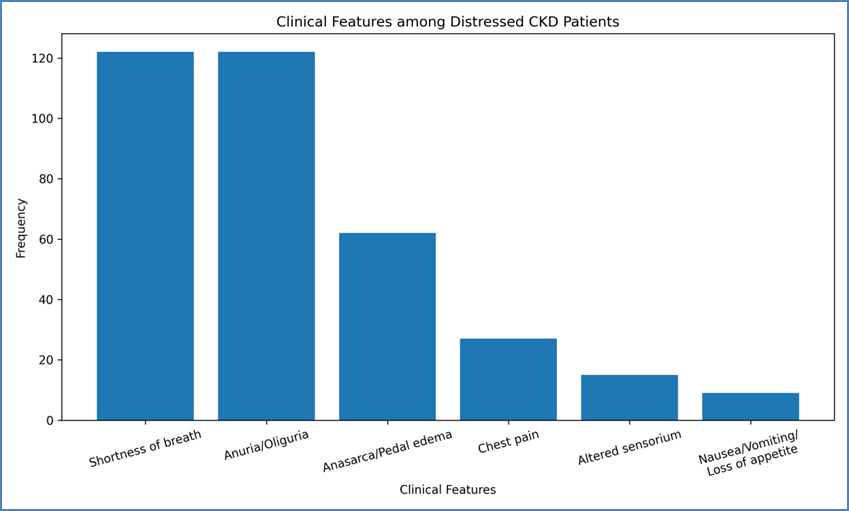
Figure 1: Clinical Presentation of Distressed CKD Patients
Shortness of breath and anuria/oliguria were observed in almost all patients (100%), indicating severe fluid overload and advanced renal dysfunction. Pedal edema and anasarca were present in 50.8% of patients, suggesting significant volume retention. Chest pain was noted in 22.1% of patients, reflecting cardiovascular involvement. Altered sensorium and gastrointestinal symptoms were less common. These findings highlight that respiratory distress and fluid overload are the predominant emergency presentations in CKD patients requiring urgent dialysis.
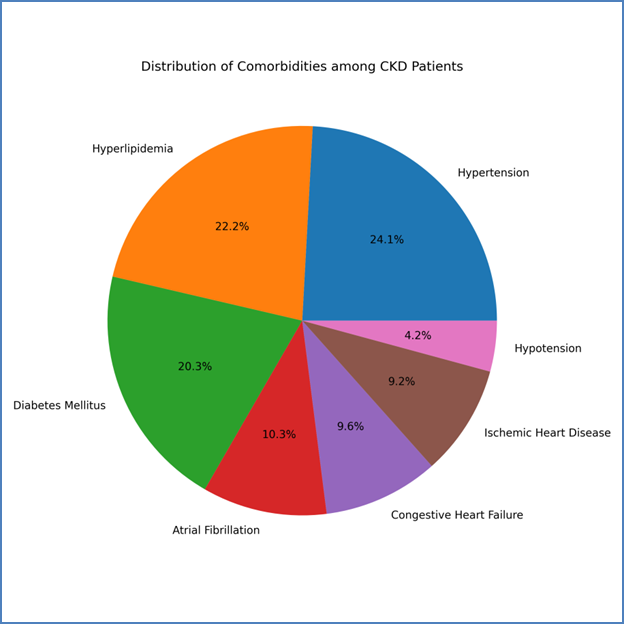
Figure 2: Distribution of Comorbidities among Study Population
Hypertension was the most common comorbidity observed among CKD patients, followed by hyperlipidemia and diabetes mellitus. Cardiovascular comorbidities such as atrial fibrillation, congestive heart failure, and ischemic heart disease were also frequently encountered. Hypotension was comparatively less common but showed significant association with adverse outcomes in later analysis. The high prevalence of metabolic and cardiovascular disorders emphasizes their important role in progression and complications of CKD.
Table 3: Comparison of Pre-Dialysis and Post-Dialysis Biochemical Parameters
|
Parameter |
Pre-Dialysis |
Post-Dialysis |
p-value |
|
Blood Urea |
237.25 ± 46.38 |
163.12 ± 47.95 |
<0.00001 |
|
Serum Creatinine |
12.47 ± 5.11 |
8.08 ± 4.32 |
<0.00001 |
|
Serum Sodium |
143.03 ± 4.64 |
138.28 ± 4.89 |
<0.00001 |
|
Serum Potassium |
5.50 ± 0.91 |
4.43 ± 0.84 |
<0.00001 |
|
Serum Chloride |
101.70 ± 2.55 |
97.25 ± 2.67 |
<0.00001 |
|
HCO3 |
9.82 ± 1.14 |
19.41 ± 2.99 |
<0.00001 |
A statistically significant reduction in blood urea, serum creatinine, sodium, potassium, and chloride levels was observed following hemodialysis. Serum bicarbonate levels improved markedly after dialysis, indicating correction of metabolic acidosis. These findings demonstrate the effectiveness of emergency hemodialysis in improving biochemical abnormalities and restoring electrolyte balance in distressed CKD patients. The highly significant p-values further support the efficacy of dialysis in metabolic stabilization.
Table 4: Comparison of Respiratory Parameters Before and After Dialysis
|
Parameter |
Pre-Dialysis |
Post-Dialysis |
p-value |
|
MMRC Score |
4 |
3 (3,4) |
<0.00001 |
|
RALES Score |
15 (9,23) |
16 (9,23) |
0.169 |
|
PaO2 |
74 |
76 |
0.142 |
|
PaCO2 |
36.5 |
34.5 |
<0.00001 |
|
pH |
6.90 ± 0.14 |
7.50 ± 0.29 |
<0.00001 |
Significant improvements were observed in the MMRC dyspnea score, pH, and PaCO2 following dialysis, indicating reduced respiratory distress and metabolic acidosis. However, RALES score and PaO2 did not show statistically significant change after dialysis. The findings suggest that emergency hemodialysis effectively improves respiratory symptoms and acid-base disturbances, though radiological pulmonary congestion may require a longer duration for complete resolution.
Table 5: Hemodialysis-Related Complications
|
Complication |
Deteriorating |
Improved |
|
Hypoglycemia |
5 |
16 |
|
Electrolyte Imbalance |
11 |
0 |
|
Hypotension |
5 |
5 |
|
Arrhythmia |
5 |
2 |
|
Bleeding |
4 |
6 |
|
Stroke |
4 |
0 |
|
Seizures |
3 |
0 |
Hypoglycemia was the most common complication observed during and after dialysis, followed by electrolyte imbalance and hypotension. Serious complications such as arrhythmias, stroke, and seizures were seen in smaller numbers but contributed significantly to morbidity. Some complications such as bleeding and hypotension improved with appropriate interventions. These findings highlight the need for close monitoring during emergency hemodialysis to promptly identify and manage complications.
Table 6: Association of Comorbidities with Outcome
|
Comorbidity |
Odds Ratio (OR) |
p-value |
|
Diabetes Mellitus |
1.0289 |
0.9497 |
|
Hypertension |
1.53 |
0.3501 |
|
Congestive Heart Failure |
1.2964 |
0.6266 |
|
Hyperlipidemia |
1.2519 |
0.617 |
|
Hypotension |
3.7917 |
0.0415 |
Among the evaluated comorbidities, hypotension showed a statistically significant association with poor outcomes following dialysis, with an odds ratio of 3.79. Other comorbidities such as diabetes mellitus, hypertension, CHF, and hyperlipidemia did not show significant association with outcome. These findings indicate that hemodynamic instability plays an important role in morbidity and complications among distressed CKD patients undergoing emergency dialysis.
Table 7: Association of Complications with Outcome
|
Complication |
Odds Ratio (OR) |
p-value |
|
Altered Mental Status |
0.4496 |
0.3137 |
|
Disequilibrium Syndrome |
0.1685 |
0.1519 |
|
Stroke |
0.3409 |
0.2924 |
|
Hypotension |
0.8153 |
0.7776 |
|
Electrolyte Imbalance |
1.6667 |
0.528 |
|
Hypoglycemia |
0.9369 |
0.9 |
Electrolyte imbalance showed the highest odds ratio among dialysis-related complications, suggesting a greater association with adverse outcomes. Altered mental status, disequilibrium syndrome, stroke, and hypotension also contributed to morbidity, although statistical significance was not demonstrated. These findings emphasise the importance of careful metabolic monitoring and early intervention during emergency dialysis procedures.
Table 8: Time Lag versus Parameter Change with Dialysis
|
Parameter |
Mean Difference |
p-value |
|
Blood Urea |
80.69 |
0.59 |
|
Serum Creatinine |
4.33 |
0.37 |
|
Serum Sodium |
6.13 |
0.045* |
|
Serum Potassium |
1.40 |
0.32 |
|
Serum Chloride |
7.24 |
0.84 |
|
HCO3 |
-10.04 |
0.91 |
The time lag before initiation of dialysis showed a statistically significant association only with serum sodium changes following dialysis. Other biochemical parameters did not demonstrate significant correlation with dialysis timing. The findings suggest that delayed dialysis may disproportionately affect sodium balance, whereas other metabolic parameters improve regardless of dialysis timing. Early initiation of dialysis may therefore help achieve better correction of electrolyte abnormalities and prevent complications.
DISCUSSION:
The present prospective observational study was conducted among 123 distressed Chronic Kidney Disease (CKD) patients on maintenance hemodialysis presenting to the emergency department with respiratory distress and metabolic derangements. The study evaluated the efficacy of emergency hemodialysis by comparing pre- and post-dialysis serum renal profiles, electrolyte abnormalities, arterial blood gas parameters, respiratory status, and chest X-ray findings. The findings of the present study demonstrated significant biochemical and clinical improvement following dialysis, highlighting the crucial role of emergency hemodialysis in critically ill CKD patients.
In the present study, the majority of patients were aged 61–70 years (44.3%), with males constituting 69.7% of the study population. Similar findings were reported by Shaik et al. [11], who observed male predominance and higher prevalence of dialysis-dependent CKD among elderly patients. Advanced age is an important risk factor for CKD because of progressive nephron loss, vascular changes, and increased prevalence of diabetes mellitus and hypertension. Bello et al. [12] also reported that elderly male patients constitute a major proportion of the global hemodialysis population due to increased metabolic and cardiovascular risk factors.
Shortness of breath and oliguria/anuria were observed in nearly all patients in the present study, indicating severe fluid overload and advanced renal dysfunction. Pedal oedema and anasarca were also common clinical findings. Similar observations were made by Gembillo et al. [13], who reported that pulmonary manifestations are highly prevalent among CKD patients due to fluid retention, anaemia, endothelial dysfunction, and cardiac abnormalities. Pulmonary congestion in CKD results from sodium and water retention leading to interstitial and alveolar oedema. Kaysi et al. [14] further emphasised that pulmonary congestion and anaemia significantly contribute to respiratory morbidity and hospitalisation among hemodialysis patients. Zoccali et al. [15] highlighted that lung congestion is an important predictor of mortality and cardiovascular complications in patients undergoing dialysis.
The present study demonstrated that hypertension, hyperlipidemia, and diabetes mellitus were the major comorbidities associated with CKD. These findings are consistent with the observations of Francis et al. [16], who identified diabetes mellitus and hypertension as the leading causes of CKD progression worldwide. Cardiovascular comorbidities such as ischemic heart disease, congestive heart failure, and atrial fibrillation were also common in the present study. However, hypotension was found to have a significant association with poor outcomes and dialysis-related complications (OR: 3.79; p=0.0415). Hemodynamic instability during dialysis can impair tissue perfusion and increase morbidity among critically ill CKD patients.
One of the most important findings of the present study was the statistically significant improvement in serum renal profile and electrolyte abnormalities following dialysis. Blood urea levels decreased significantly from 237.25 ± 46.38 mg/dL to 163.12 ± 47.95 mg/dL, while serum creatinine decreased from 12.47 ± 5.11 mg/dL to 8.08 ± 4.32 mg/dL (p<0.00001). Significant correction of serum potassium and sodium levels, metabolic acidosis, and bicarbonate deficiency was also observed after dialysis. Similar findings were reported by Deb et al. [17], who demonstrated significant improvements in serum biochemical parameters following hemodialysis sessions in patients with ESRD. Murdeshwar and Anjum [18] also emphasised that hemodialysis effectively removes nitrogenous waste products, corrects acid-base imbalance, and restores electrolyte homeostasis in patients with renal failure.
The present study additionally demonstrated significant improvement in respiratory parameters following emergency dialysis. The MMRC dyspnea score improved significantly after dialysis, indicating relief of respiratory distress and improved functional capacity. Significant correction of pH and bicarbonate levels further reflected improvement in metabolic acidosis and respiratory compromise. However, RALES score and PaO2 did not show statistically significant change immediately after dialysis. Similar findings were reported by Gembillo et al. [13], who stated that pulmonary dysfunction in CKD patients is multifactorial and radiological pulmonary changes may persist despite symptomatic improvement. Shaik et al. [11] also observed persistent pulmonary abnormalities in dialysis patients even after clinical stabilisation.
Complications observed during dialysis in the present study included hypoglycemia, electrolyte imbalance, hypotension, arrhythmias, bleeding, stroke, and seizures. Among these, hypoglycemia and electrolyte imbalance were the most frequent complications. Electrolyte imbalance was more strongly associated with adverse outcomes. These findings correlate with the observations of Sarnowski et al. [19], who emphasised that rapid electrolyte shifts during dialysis, particularly potassium abnormalities, significantly contribute to dialysis-related morbidity and cardiovascular instability. Dialysis disequilibrium syndrome and hemodynamic fluctuations were also observed in a small number of patients, highlighting the importance of careful monitoring during emergency dialysis sessions.
The present study also evaluated the relationship between dialysis timing and treatment outcome. Although most biochemical parameters improved irrespective of dialysis timing, serum sodium changes showed a statistically significant association with delay in initiation of dialysis (p=0.045). Delayed dialysis may worsen electrolyte imbalance and pulmonary congestion due to prolonged accumulation of metabolic waste products and fluid overload. Obi et al. [20] reported that timely initiation of dialysis and preservation of residual renal function are associated with better metabolic control and improved clinical outcomes in patients with CKD.
Overall, the findings of the present study strongly support the beneficial role of emergency hemodialysis in correcting biochemical derangements, relieving respiratory distress, improving acid-base status, and stabilising critically ill CKD patients. The study also emphasises the importance of early dialysis initiation, close monitoring of electrolyte disturbances, and prompt management of dialysis-related complications to reduce morbidity and mortality in advanced CKD patients.
CONCLUSION:
The present study concludes that emergency hemodialysis is highly effective in improving serum renal profile, electrolyte abnormalities, metabolic acidosis, and respiratory distress in distressed CKD patients presenting to the emergency department. Significant reductions in blood urea, serum creatinine, and serum potassium, and improvements in bicarbonate levels and dyspnea scores were observed following dialysis. Pulmonary congestion and respiratory compromise were common among the study population, highlighting the importance of respiratory assessment and chest radiography in emergency CKD management. Hypotension and electrolyte imbalance were identified as important factors associated with adverse outcomes and dialysis-related morbidity. Early initiation of dialysis with careful monitoring during and after the procedure may significantly improve patient outcomes and reduce complications in advanced CKD patients undergoing emergency hemodialysis.
REFERENCES:
1. Gembillo G, Siligato R, Conti S, et al. Lung dysfunction and chronic kidney disease. J Pers Med. 2023;13(3):442. doi:10.3390/jpm13030442.
2. Mani AP, Ajmal M, Haridas N, et al. Pulmonary manifestations at different stages in chronic kidney disease. Cureus. 2023;15(5):e38562. doi:10.7759/cureus.38562.
3. Murdeshwar HN, Anjum F. Hemodialysis. StatPearls. Treasure Island (FL): StatPearls Publishing; 2023. PMID: 32644488.
4. Shaik L, Hussain T, Basha S, et al. A spectrum of pulmonary complications occurring in end-stage renal disease patients on hemodialysis. Cureus. 2021;13(6):e15846. doi:10.7759/cureus.15846.
5. Tabakoglu NT, Yildiz I, Kucuk SH, et al. Chest X-ray findings and prognostic factors in survival among dialysis patients. Medicina (Kaunas). 2024;60(8):1294. doi:10.3390/medicina60081294.
6. Kim HJ. Metabolic acidosis in chronic kidney disease: pathogenesis, clinical consequences, and treatment. Electrolyte Blood Press. 2021;19(2):29-37. doi:10.5049/EBP.2021.19.2.29.
7. Bhandari SK, Zhou H, Shaw SF, et al. Causes of death in end-stage kidney disease: comparison between the United States Renal Data System and a large integrated health care system. Am J Nephrol. 2022;53(1):32-40. doi:10.1159/000521221.
8. Zoccali C, Torino C, Tripepi G, Mallamaci F. Detecting and treating lung congestion with kidney failure. Clin Kidney J. 2022;15(8):1416-1425. doi:10.1093/ckj/sfac078.
9. Gurung R, Li T. Renal amyloidosis: presentation, diagnosis, and management. Am J Med. 2022;135(Suppl 1):S38-S43. doi:10.1016/j.amjmed.2022.01.017.
10. Rout P, Aslam A. End-stage renal disease. StatPearls. Treasure Island (FL): StatPearls Publishing; 2025. PMID: 29494005.
11. Shaik L, Hussain T, Basha S, et al. A spectrum of pulmonary complications occurring in end-stage renal disease patients on hemodialysis. Cureus. 2021;13(6):e15846. doi:10.7759/cureus.15846.
12. Bello AK, Okpechi IG, Osman MA, et al. Epidemiology of haemodialysis outcomes. Nat Rev Nephrol. 2022;18(6):378-395. doi:10.1038/s41581-022-00542-7.
13. Gembillo G, Siligato R, Conti S, et al. Lung dysfunction and chronic kidney disease. J Pers Med. 2023;13(3):442. doi:10.3390/jpm13030442.
14. Kaysi S, Yılmaz S, Ateş K, et al. Pulmonary congestion and anemia in hemodialysis patients. Int J Mol Sci. 2024;25(20):11263. doi:10.3390/ijms252011263.
15. Zoccali C, Torino C, Tripepi G, Mallamaci F. Detecting and treating lung congestion with kidney failure. Clin Kidney J. 2022;15(8):1416-1425. doi:10.1093/ckj/sfac078.
16. Francis A, Harhay MN, Ong ACM, et al. Chronic kidney disease and the global public health agenda. Nat Rev Nephrol. 2024;20(8):473-485. doi:10.1038/s41581-024-00820-6.
17. Deb N, Sinha M, Sagar S. Effects of haemodialysis on biochemical and endocrinological parameters in patients with renal failure attending in tertiary care hospital at PMCH, Patna. European Journal of Cardiovascular Medicine. 2024;14(4):382-383. doi:10.5083/ejcm.
18. Murdeshwar HN, Anjum F. Hemodialysis. StatPearls Publishing. 2023. PMID: 32644488.
19. Sarnowski A, Kamińska J, Lewandowska K, et al. Hyperkalemia in chronic kidney disease: links, risks and management. Int J Mol Sci. 2022;23(15):8500.
20. Obi Y, Streja E, Rhee CM, et al. Residual kidney function in hemodialysis: its importance and preservation. Toxins (Basel). 2024;16(7):298.