PREVALENCE OF HIGH FREQUENCY SENSORINEURAL HEARING LOSS IN TYPE II DIABETES MELLITUS - AS AN EARLY INDICATOR FOR DEAFNESS: A CROSSSECTIONAL OBSERVATIONAL STUDY.
- ALOK RANJAN MONDAL , ASSISTANT PROFESSOR, MS (ENT), DEPARTMENT OF OTORHINOLARYNGOLOGY, IORL–HNS, INSTITUTE OF POST GRADUATE MEDICAL EDUCATION & RESEARCH (IPGMER) AND SSKM HOSPITAL, 244, AJC BOSE ROAD, KOLKATA, WEST BENGAL 700001.
- SOMA MANDAL , ASSOCIATE PROFESSOR, MS (ENT), DEPARTMENT OF OTORHINOLARYNGOLOGY, IORL–HNS, INSTITUTE OF POST GRADUATE MEDICAL EDUCATION & RESEARCH (IPGMER) AND SSKM HOSPITAL, 244, AJC BOSE ROAD, KOLKATA, WEST BENGAL 700001.
- SIDDHARTHA KUMAR DAS , ASSISTANT PROFESSOR, MS (ENT), DLO, DEPARTMENT OF OTORHINOLARYNGOLOGY, IORL–HNS, INSTITUTE OF POST GRADUATE MEDICAL EDUCATION & RESEARCH (IPGMER) AND SSKM HOSPITAL, 244, AJC BOSE ROAD, KOLKATA, WEST BENGAL 700001.
- ANINDITA SENGUPTA , ASSISTANT PROFESSOR, MS (ENT), DEPARTMENT OF OTORHINOLARYNGOLOGY, IORL–HNS, INSTITUTE OF POST GRADUATE MEDICAL EDUCATION & RESEARCH (IPGMER) AND SSKM HOSPITAL, 244, AJC BOSE ROAD, KOLKATA, WEST BENGAL 700001.
- BUDDHADEB MAITY , MEDICAL OFFICER ON TRAINING / JUNIOR RESIDENT, MS (ENT), DEPARTMENT OF OTORHINOLARYNGOLOGY, IORL–HNS, INSTITUTE OF POST GRADUATE MEDICAL EDUCATION & RESEARCH (IPGMER) AND SSKM HOSPITAL, 244, AJC BOSE ROAD, KOLKATA, WEST BENGAL 700001.
- BIJAN BASAK , PROFESSOR AND HEAD OF THE DEPARTMENT, MS (ENT), DEPARTMENT OF OTORHINOLARYNGOLOGY, IORL–HNS, INSTITUTE OF POST GRADUATE MEDICAL EDUCATION & RESEARCH (IPGMER) AND SSKM HOSPITAL, 244, AJC BOSE ROAD, KOLKATA, WEST BENGAL 700001.
Article Information:
Abstract:
Introduction: Type II Diabetes Mellitus (T2DM) is a well-established systemic disease known to affect microvascular structures, including those of the auditory system. Emerging evidence suggests that high-frequency sensorineural hearing loss (HFSNHL) may occur as an early subclinical manifestation of diabetic microangiopathy, potentially serving as an early indicator for progressive hearing impairment in diabetic individuals.Aim: To assess the prevalence of high-frequency sensorineural hearing loss in patients with Type II Diabetes Mellitus and to evaluate its potential role as an early indicator for future deafness. Materials and Methods: This cross-sectional observational study was conducted on patients diagnosed with T2DM attending the outpatient department of a tertiary care center. A detailed history, including duration of diabetes, glycemic control (HbA1c levels), and presence of other diabetic complications, was recorded. Pure tone audiometry (PTA) was performed in a soundproof room to assess hearing thresholds across various frequencies, with particular attention to high frequencies (4 kHz, 6 kHz, and 8 kHz). Statistical analysis was conducted to determine the association between diabetes-related factors and the presence of HFSNHL. Results: A study of 151 Type II Diabetes Mellitus patients (mean age: 44.21 ± 5.40 years; 57% male) evaluated hearing thresholds using Pure Tone Audiometry (PTA) and Extended Frequency Audiometry (EFA). The average diabetes duration was 11.51 ± 8.04 years, and mean HbA1c was 7.02 ± 1.15. Most patients had diabetes for ≤10 years (50.3%) and HbA1c levels ≤7 (52.3%). Hearing thresholds increased with frequency, showing greater impairment at higher frequencies in both PTA and EFA. All age groups showed similar patterns of progressive high-frequency hearing loss, particularly above 8000 Hz. Males had slightly worse thresholds at high frequencies than females.Longer diabetes duration and poorer glycemic control (HbA1c > 8) were associated with elevated hearing thresholds, especially at higher frequencies. Patients with 11–30 years of diabetes showed more pronounced hearing loss at both speech and high frequencies, indicating a link between prolonged diabetes and progressive high-frequency hearing impairment. Conclusion: High-frequency sensorineural hearing loss is commonly observed in patients with Type II Diabetes Mellitus and may precede clinically significant hearing complaints. Routine audiometric screening, particularly for high frequencies, should be considered as part of the comprehensive care of diabetic patients to enable early identification and preventive management of hearing loss.
Keywords:
Article :
INTRODUCTION:
Diabetes mellitus (DM) is a chronic metabolic disorder characterized by hyperglycemia due to defects in insulin secretion, insulin action, or both. Type II diabetes mellitus (T2DM), which accounts for over 90% of diabetes cases worldwide, is intricately associated with microvascular and macrovascular complications that affect various organ systems, including the auditory apparatus. In recent years, researchers have increasingly recognized the association between T2DM and hearing impairment, particularly high-frequency sensorineural hearing loss (SNHL), as an early but often overlooked manifestation of diabetic microangiopathy. Sensorineural hearing loss, especially at high frequencies, is primarily attributed to damage in the inner ear structures or auditory nerve pathways.
The cochlea’s high-frequency region is particularly vulnerable to microvascular insufficiency and oxidative stress, both of which are pathophysiological hallmarks of T2DM. Chronic hyperglycemia in T2DM leads to microvascular damage, resulting in compromised blood supply to the cochlea, stria vascularis, and auditory nerve, thereby accelerating the degeneration of these structures and leading to high-frequency SNHL [1,2]. Epidemiological studies suggest that individuals with diabetes are twice as likely to experience hearing loss compared to non-diabetic individuals [3]. Furthermore, the risk is not confined to elderly patients but can manifest in middle-aged populations, signifying its potential as an early indicator of progressive auditory dysfunction. High-frequency SNHL in diabetic patients often precedes the development of hearing impairment at conversational frequencies, thereby serving as a critical marker for early detection and intervention [4]. The pathophysiological mechanisms linking T2DM and hearing impairment include microangiopathy, neuropathy, and metabolic derangements.
The thickening of capillary basement membranes in the cochlear vasculature mirrors similar changes observed in the retina and kidneys of diabetic individuals, suggesting a systemic microvascular etiology [5]. Additionally, hyperglycemia-induced oxidative stress and the accumulation of advanced glycation end-products (AGEs) contribute to cochlear damage and impaired neural conduction within the auditory pathway [6]. Diabetic neuropathy, affecting both peripheral and central auditory pathways, further exacerbates hearing dysfunction by altering the transmission and processing of auditory signals [7].
Clinical evidence highlights a significant correlation between the duration of diabetes, glycemic control, and the severity of hearing loss. Studies have demonstrated that poorly controlled diabetes and longer disease duration are associated with more pronounced hearing deficits, particularly at frequencies above 4000 Hz [8]. This relationship underscores the importance of routine auditory screening in diabetic populations, not only for early detection but also for the prevention of further auditory deterioration through stringent metabolic control. The socio-economic burden of undiagnosed or untreated hearing loss in diabetic individuals is substantial. Hearing impairment contributes to social isolation, depression, reduced quality of life, and cognitive decline, factors already prevalent among patients with chronic illnesses like diabetes [9].
Therefore, integrating hearing assessment as a standard component of diabetes management could facilitate holistic patient care and improve long-term outcomes. Despite mounting evidence supporting the link between T2DM and hearing loss, auditory screening remains underutilized in clinical practice. Current diabetes guidelines focus primarily on retinopathy, nephropathy, and neuropathy, often neglecting auditory complications. Identifying high-frequency SNHL as a potential early marker for diabetes-related deafness could prompt revisions in screening protocols and enhance awareness among healthcare providers and patients alike. Furthermore, early detection allows for timely audiological rehabilitation, which is pivotal in maintaining communication abilities and psychosocial well-being [10].
MATERIALS AND METHODS:
This hospital based observational study was conducted in the Department of the ENT Head Neck Surgery, Institute of Post Graduate Medical Education and Research, SSKM, Kolkata. 151 patients of age group 30- 50 years, attending at the outpatient department of Endocrinology at IPGME&R, SSKM, Kolkata with Type-II Diabetes Mellitus on treatment fulfilling the requisite criteria. The duration of the study was 18 months.
Sample Size: Total sample size required for this study is 151
Inclusion criteria:
Patient of age group 30-50 years, suffering from Type II diabetes mellitus for more than 5 years and on regular medication, without clinical hearing loss(that is when the patient can not actually feel the shortage of hearing inspite having the sensorineural hearing loss determined in high frequency audiometry).
Exclusion criteria:
• All non-diabetics.
• Type-II diabetic with clinical hearing loss.
• Patient having middle and external ear disease
• Patient having neurodegenerative disorder
• Patient having cardiovascular diseases, Meniere’s disease, hypo- and hyperthyroidism
• Patient working in a noisy environment like jute mill etc.
Study Variables:
• Demographic - Age, Sex, Ethnicity
• Disease Duration -More than 5 years suffering from Type-II Diabetes Mellitus.
• Sensorineural Hearing Loss severity-conventional and high frequency pure tone audiometry.
Disease Control - HbA1C
Data Collection and Interpretation:
All the selected patients were observed clinically and was documented according to the criteria .A detailed history was taken, a proper and thorough clinical examination was conducted. All the patients were undergo pure tone audiometry including high frequency audiometry having 250Hz to 12KHz. Then all the results and data found in the audiometry was analyzed.
Laboratory Investigation: Pure tone audiometry includes high frequency pure tone audiometry of frequency range from 250Hz to 12KHz.
Parameter and Procedure:
Instrumentation:
Dual channel audiometer (Maico MA 53) with supra aural (TDH 39) headphone, as per ANSI S3.6-1996 specifications will be used. GSI 39 auto tymptympanometer was used. Interacoustic eclipse hearing diagnosis solution (EP15, version 4.3), calibrated as per manufacture specification was used for ABR as well as chirp recordings of the subjects.
Test Environment:
Double sound treated room with permissible noise level was no more than 25dB as per ANSI S3.6-2004
Stimulus:
Pure tone and frequency range from 250Hz to 12 KHz
Procedure:
The procedure was carried out in following steps:
• Step I: Calibration of the instrument
• Step II: Subject preparation
• Step III: High Frequency Pure tone audiometry Step VI: Data Processing and Statistical analysis
Step I: Calibration of the instrument:
All instruments were calibrated as per manufacture specification.
Step II: Subject Preparation:
For ruling out the middle ear pathology the baseline auditory test was completed. The tympanometry, autoscopy was administered on all participants.
Step III: Pure tone audiometry:
The audiometric threshold was tested in the double sound treated room with the Maico MA53 audiometer. Pure tones was presented from 250Hz to 12000Hz with the supra aural (TDH 39) headphone, as per ANSI S3.6-1996 specifications followed by modified Hughson-Westlake procedure (Carhart and Jerger, 959).
Step IV: Data Processing and Statistical analysis:
Data was collected and tabulated in Microsoft excel sheet and analyzed by SPSS 22 and necessary software. The continuous variables were presented with mean and standard deviation. The categorical variables were presented with frequency and percentage.
Statistical Analysis:
All collected data were entered into Microsoft Excel and analyzed using SPSS software (version XX). Descriptive statistics were used to summarize demographic variables, glycemic status, and audiometric findings. The prevalence of high-frequency sensorineural hearing loss (HFSNHL) among participants with Type II Diabetes Mellitus was calculated and expressed in percentages. Continuous variables such as age, duration of diabetes, and HbA1c levels were summarized as mean ± standard deviation (SD).
Categorical variables like gender, presence or absence of hearing loss, and grade of hearing loss were expressed as frequencies and percentages. The association between diabetes-related factors (duration, glycemic control) and hearing loss was analyzed using the Chi-square test for categorical variables and the independent t-test or ANOVA for continuous variables. A p-value of less than 0.05 was considered statistically significant.
RESULTS:
Table 1: Demographic and Clinical Profile of the Study Population
|
Demographic and Clinical Parameter |
Frequency |
% |
|
|
Age |
35-40 years |
45 |
29.80% |
|
41-45 years |
22 |
14.60% |
|
|
46-50 years |
84 |
55.60% |
|
|
Total |
151 |
100.00% |
|
|
Mean age |
44.21±5.40 years |
||
|
Sex |
Male |
86 |
57.00% |
|
Female |
65 |
43.00% |
|
|
Total |
151 |
100.00% |
|
|
Duration of diabetes |
≤10 years |
76 |
50.30% |
|
11-20 years |
50 |
33.10% |
|
|
21-30 years |
25 |
16.60% |
|
|
Total |
151 |
100.00% |
|
|
Mean duration |
11.51±8.04 years |
||
|
HbA1C |
≤6 |
31 |
20.50% |
|
06-07 |
48 |
31.80% |
|
|
07-08 |
34 |
22.50% |
|
|
>8 |
38 |
25.20% |
|
|
Total |
151 |
100.00% |
|
|
Mean HBA1C |
7.02±1.15 |
||
Table 2: Pure Tone and Extended Frequency Audiometry Results
|
Method |
Frequency |
Mean |
SD |
|
Conventional Pure Tone Audiometry |
250 Hz |
14.67 |
2.34 |
|
500 Hz |
16.78 |
2.91 |
|
|
1000 Hz |
22.89 |
3.48 |
|
|
2000 Hz |
21 |
4.63 |
|
|
4000 Hz |
23.11 |
6.28 |
|
|
8000 Hz |
24.13 |
6.95 |
|
|
Extended Frequency Audiometry |
9000 Hz |
29.33 |
10.22 |
|
10000 Hz |
31.44 |
11.37 |
|
|
11000 Hz |
33.16 |
12.05 |
|
|
12000 Hz |
36.67 |
14.18 |
Table 3: Age-wise Distribution of Hearing Threshold (Mean ± SD in dB) at Different Frequencies
|
Age |
Frequency |
Mean |
SD |
|
35-40 years |
250 Hz |
14.68 |
5.14 |
|
500 Hz |
16.79 |
5.88 |
|
|
1000 Hz |
22.9 |
8.01 |
|
|
2000 Hz |
21.01 |
7.35 |
|
|
4000 Hz |
23.11 |
8.09 |
|
|
8000 Hz |
24.09 |
8.43 |
|
|
9000 Hz |
29.34 |
10.27 |
|
|
10000 Hz |
31.45 |
11.01 |
|
|
11000 Hz |
33.07 |
11.57 |
|
|
12000 Hz |
36.68 |
12.84 |
|
|
41-45 years |
250 Hz |
14.67 |
5.13 |
|
500 Hz |
16.78 |
5.87 |
|
|
1000 Hz |
19.27 |
6.74 |
|
|
2000 Hz |
20.83 |
7.29 |
|
|
4000 Hz |
23.1 |
8.09 |
|
|
8000 Hz |
24.05 |
8.42 |
|
|
9000 Hz |
29.33 |
10.27 |
|
|
10000 Hz |
31.44 |
11 |
|
|
11000 Hz |
33.21 |
11.62 |
|
|
12000 Hz |
36.67 |
12.83 |
|
|
250 Hz |
14.67 |
5.14 |
|
|
46-50 years |
500 Hz |
16.78 |
5.87 |
|
1000 Hz |
16.22 |
5.68 |
|
|
2000 Hz |
21.02 |
7.36 |
|
|
4000 Hz |
23.11 |
8.09 |
|
|
8000 Hz |
24.17 |
8.46 |
|
|
9000 Hz |
29.33 |
10.27 |
|
|
10000 Hz |
31.44 |
11 |
|
|
11000 Hz |
33.19 |
11.62 |
|
|
12000 Hz |
36.67 |
12.84 |
Table 4: Hearing Thresholds (Mean ± SD in dB) at Different Frequencies Based on Duration of Diabetes
|
Duration |
Frequency |
Mean |
SD |
|
11-20 years |
250 Hz |
14.69 |
5.14 |
|
500 Hz |
16.8 |
5.88 |
|
|
1000 Hz |
16.22 |
5.68 |
|
|
2000 Hz |
21.02 |
7.36 |
|
|
4000 Hz |
23.13 |
8.1 |
|
|
8000 Hz |
24.12 |
8.44 |
|
|
9000 Hz |
29.35 |
10.27 |
|
|
10000 Hz |
31.46 |
11.01 |
|
|
11000 Hz |
33.21 |
11.62 |
|
|
12000 Hz |
36.69 |
12.84 |
|
|
21-30 years |
250 Hz |
14.56 |
5.1 |
|
500 Hz |
16.67 |
5.83 |
|
|
1000 Hz |
18.27 |
6.39 |
|
|
2000 Hz |
20.89 |
7.31 |
|
|
4000 Hz |
22.99 |
8.05 |
|
|
8000 Hz |
24.11 |
8.44 |
|
|
9000 Hz |
29.22 |
10.23 |
|
|
10000 Hz |
31.33 |
10.96 |
|
|
11000 Hz |
33.06 |
11.57 |
|
|
12000 Hz |
36.56 |
12.8 |
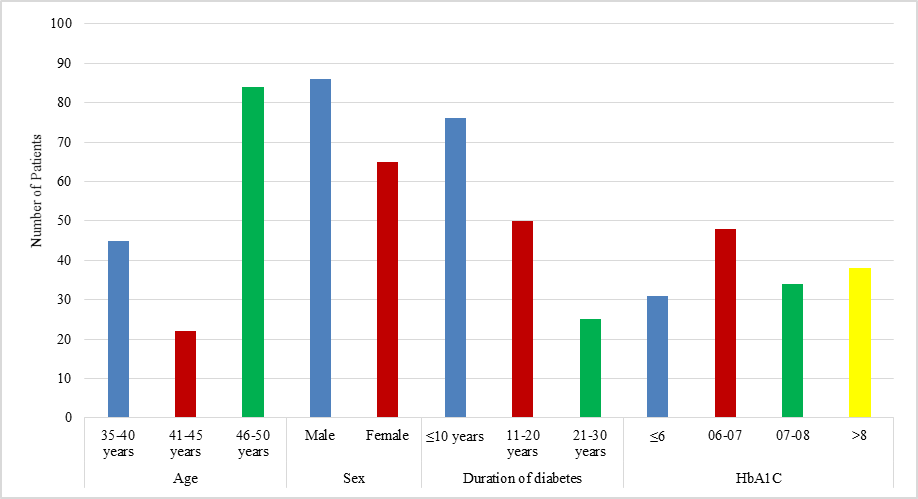
Figure: 1. Descriptive Profile of Study Subjects: Demographics and Clinical Parameters
A total of 151 patients with Type II Diabetes Mellitus were included in the study. The mean age of the participants was 44.21 ± 5.40 years, with the majority belonging to the 46-50 years age group (55.6%), followed by 35-40 years (29.8%) and 41-45 years (14.6%). Regarding sex distribution, 57% were males (n=86) and 43% were females (n=65). The mean duration of diabetes was 11.51 ± 8.04 years, with half of the patients (50.3%) having diabetes for ≤10 years, 33.1% for 11-20 years, and 16.6% for 21-30 years. In terms of glycemic control, the mean HbA1c was 7.02 ± 1.15. Among the participants, 20.5% had HbA1c ≤6, 31.8% between 6-7, 22.5% between 7-8, and 25.2% had HbA1c >8.
Hearing thresholds were assessed using both Conventional Pure Tone Audiometry (PTA) and Extended Frequency Audiometry (EFA) across a range of frequencies. In conventional PTA, the mean hearing thresholds gradually increased with higher frequencies: 14.67 ± 2.34 dB at 250 Hz, 16.78 ± 2.91 dB at 500 Hz, 22.89 ± 3.48 dB at 1000 Hz, 21 ± 4.63 dB at 2000 Hz, 23.11 ± 6.28 dB at 4000 Hz, and 24.13 ± 6.95 dB at 8000 Hz. In Extended Frequency Audiometry, further elevation in thresholds was noted at higher frequencies: 29.33 ± 10.22 dB at 9000 Hz, 31.44 ± 11.37 dB at 10,000 Hz, 33.16 ± 12.05 dB at 11,000 Hz, and 36.67 ± 14.18 dB at 12,000 Hz.
Age-wise comparison of hearing thresholds showed a consistent pattern of elevated thresholds at higher frequencies across all age groups. In the 35-40 years age group, the mean hearing thresholds progressively increased from 14.68 ± 5.14 dB at 250 Hz to 36.68 ± 12.84 dB at 12,000 Hz. Similarly, in the 41-45 years group, thresholds ranged from 14.67 ± 5.13 dB at 250 Hz to 36.67 ± 12.83 dB at 12,000 Hz. The 46-50 years group also demonstrated a similar pattern, with thresholds rising from 14.67 ± 5.14 dB at 250 Hz to 36.67 ± 12.84 dB at 12,000 Hz. Notably, higher frequencies consistently showed greater hearing thresholds across all age groups, indicating early involvement of high frequencies in this diabetic population. Although there was minimal variation in thresholds at lower frequencies between the age groups, a trend toward worsening high-frequency hearing sensitivity was observed with advancing age, particularly at frequencies above 8000 Hz.
When comparing hearing thresholds between sexes, male participants showed slightly higher hearing thresholds at higher frequencies compared to females. In males, the mean threshold at 8000 Hz was 24.74 ± 8.66 dB, while in females, it was 24.11 ± 8.44 dB. Similarly, at 12,000 Hz, the thresholds were 36.66 ± 12.83 dB for males and 36.69 ± 12.84 dB for females.
Analysis based on the duration of diabetes revealed that individuals with ≤10 years of diabetes duration had thresholds similar to the overall mean, with progressive elevation noted at higher frequencies (36.70 ± 12.84 dB at 12,000 Hz). When evaluating glycemic control by HbA1c levels, patients with HbA1c ≤ 6 demonstrated better hearing thresholds at speech frequencies but still showed deterioration at higher frequencies (e.g., 36.62 ± 12.82 dB at 12,000 Hz). As HbA1c levels increased, thresholds generally worsened. For example, those with HbA1c > 8 had higher thresholds at both conventional and high frequencies, particularly at 8000 Hz (24.86 ± 8.70 dB) and 12,000 Hz (36.74 ± 12.86 dB). The threshold elevation was more pronounced in poorly controlled diabetes, with slight worsening across extended high frequencies.
On further analysis based on the duration of diabetes, patients with 11-20 years of diabetes exhibited slightly elevated hearing thresholds across all frequencies compared to those with a shorter duration. Specifically, the mean hearing thresholds in this group ranged from 14.69 ± 5.14 dB at 250 Hz to 36.69 ± 12.84 dB at 12,000 Hz. At speech frequencies (1000 Hz), the threshold was 16.22 ± 5.68 dB, while at extended high frequencies (12,000 Hz), it reached 36.69 ± 12.84 dB. For patients with a 21-30 years duration of diabetes, hearing thresholds remained elevated, with means ranging from 14.56 ± 5.10 dB at 250 Hz to 36.56 ± 12.80 dB at 12,000 Hz. Although the thresholds at conventional frequencies did not show marked differences compared to the 11-20 year group, the threshold at 1000 Hz was slightly higher at 18.27 ± 6.39 dB, suggesting some progression of hearing loss. At higher frequencies, thresholds remained comparable between the two groups.
DISCUSSION:
The findings of this study highlight a clear association between Type II Diabetes Mellitus (T2DM) and elevated hearing thresholds, particularly at higher frequencies, suggesting early cochlear involvement and possible microvascular pathology affecting auditory function. The progressive rise in thresholds with increasing frequency observed across all age groups aligns with the existing body of evidence indicating that high-frequency sensorineural hearing loss (SNHL) is an early and common manifestation of diabetes-related cochlear damage. The mean hearing thresholds remained relatively preserved at lower frequencies (250-2000 Hz), which are typically associated with speech perception; however, significant deterioration was noted beyond 4000 Hz, and more pronounced beyond 8000 Hz, consistent with findings from previous studies highlighting high-frequency involvement in diabetic individuals [11,12].
The observation that the oldest age group (46-50 years) did not show substantially worse hearing thresholds compared to the younger groups suggests that diabetes duration and glycemic control might play a more critical role than chronological age alone in determining hearing status. This aligns with prior research indicating that metabolic disturbances in diabetes—such as microangiopathy, oxidative stress, and neuropathy—impact the cochlear vasculature and neural pathways irrespective of age [13]. In the present study, both males and females demonstrated comparable patterns of hearing loss, although males exhibited marginally higher thresholds at higher frequencies, which is consistent with general trends observed in non-diabetic populations where males are at a slightly increased risk of high-frequency hearing loss due to both biological and environmental factors [14].
When analyzing the impact of diabetes duration, patients with ≤10 years of diabetes showed hearing thresholds largely comparable to the overall cohort; however, hearing sensitivity continued to decline with extended disease duration. Specifically, individuals with 11-20 years of diabetes showed noticeable deterioration at both conventional and extended frequencies, while those with 21-30 years of diabetes exhibited marginal further worsening. This finding reinforces the concept of cumulative microvascular damage over time in diabetes contributing to gradual cochlear dysfunction [15].
Although thresholds at conventional speech frequencies did not exhibit severe deterioration even in long-duration diabetes, thresholds at 8000 Hz and above reflected clear progressive impairment, underscoring the utility of extended frequency audiometry in detecting early subclinical changes in diabetic patients. Glycemic control emerged as an important factor influencing hearing thresholds. Participants with better glycemic control (HbA1c ≤6) maintained relatively preserved thresholds at speech frequencies but still exhibited early signs of deterioration at higher frequencies. As glycemic control worsened, thresholds worsened across all frequencies, with particularly pronounced differences noted at 8000 Hz and beyond in patients with HbA1c >8. This supports the hypothesis that hyperglycemia-induced metabolic derangements accelerate cochlear damage through mechanisms such as the accumulation of advanced glycation end products (AGEs), increased oxidative stress, and ischemic changes secondary to microangiopathy [16,17].
Moreover, these findings are congruent with earlier reports that poor glycemic control correlates with more severe auditory dysfunction and that early intervention aimed at achieving optimal glycemic targets may have a protective effect on cochlear health [18]. The consistency of elevated thresholds at higher frequencies across all subgroups (sex, age, duration, glycemic control) strongly suggests that extended high-frequency audiometry is a sensitive tool for early detection of diabetic auditory impairment. This holds clinical relevance as conventional pure tone audiometry, typically limited to 8000 Hz, may fail to detect these early changes. Early identification of high-frequency hearing loss could serve not only as a predictor of impending wider auditory dysfunction but also as an indicator of systemic microvascular compromise, prompting more aggressive management of diabetes and its complications [19,20].
In summary, this study underscores the importance of routine auditory screening, including extended frequency testing, in individuals with T2DM. The observed pattern of high-frequency SNHL correlates with disease duration and glycemic control, supporting the role of chronic metabolic insult and microvascular pathology in auditory impairment. Given the significant impact of hearing loss on communication, mental health, and quality of life, especially in individuals already burdened with chronic illness, integrating auditory health assessment into the standard care protocol for diabetic patients may enhance early intervention and long-term outcomes.
CONCLUSION:
Since hearing loss can be considered to be a consequence of diabetes, a metabolic assessment may be useful for patients presenting with hearing loss so as to reduce the high rate of undiagnosed DM in the community. The use of audio logical tests to monitor hearing in diabetic patients should be considered as a routine procedure so that quality of life can be improved for long standing diabetics with needed therapeutic interventions for hearing improvement. Even though clinical tests may help finding and proving hearing loss type and to a certain extent the degree as well, health care providers must take into account, the condition progression and refer to audiology for proper screening and evaluation for all diabetes mellitus cases, to have a better insight as well as preparedness for the outcome. Further research on larger sample size and multiple centers are recommended.
REFERENCES:
1. Bhaskar KN, Chalihadan S, Vaswani R, Rehaman CP. Clinical and Audiometric Assessment of Hearing Loss in Diabetes Mellitus. Int J Sci Stud 2014; 2(4):1-16.
2. B.Viswanatha, V. Priyadarshini, M.S. Vijayashree, R. Rasika and Nisha Krishna; Effect of Type II Diabetes Mellitus on the 8th Cranial Nerve: A Prospective Study. Journal of Neurology and Epidemiology, 2014, 2, 25-29.
3. Mohan V, Sandeep S, Deepa R, Shah B, Varghese C. Epidemiology of type 2 diabetes: Indian scenario. Indian JMed Res 2007: 217-30.
4. Elzouki, Abdelaziz Y (2012). Textbook of clinical pediatrics (2 ed.).
5. Berlin: Springer. p. 602.
6. Kazmierczak H, Doroszewska G. Metabolic disorders in vertigo, tinnitus, and hearing loss. Int Tinnitus Jo. 2001;7:54-8.
7. Dalton DS, Cruickshanks KJ, Klein BE, lein R, Wiley TL, Nondahi DM. The impact of hearing loss on quality of life in older adults. Gerontologist. 2003;43:661-8.
8. Williams’stextbook of endocrinology. (12thEd.) Philadelphia: Elsevier/Saunders; 1371-1435.
9. Shi Y, Hu FB. The global implications of diabetes and cancer. Lancet. 2014;383(9933):1947-8.
10. Mala CA, Campos CA. Diabetes mellitus as etiological factor of hearing loss. Rev Bras Otorrinolaringol. 2005;71:208-14.
11. Dhingra P.L. Diseases of Ear, Nose and Throat. Elsevier. Fourth edition, 2009.
12. Bainbridge KE, Hoffman HJ, Cowie CC. Diabetes and hearing impairment in the United States: audiometric evidence from the National Health and Nutrition Examination Surveys, 1999 to 2004. Ann Intern Med. 2008;149(1):1-10.
13. Fukushima H, Cureoglu S, Schachern PA, et al. Cochlear changes in patients with type 1 diabetes mellitus. Otolaryngol Head Neck Surg. 2005;133(1):100-6.
14. Frisina ST, Mapes F, Kim S, et al. Characterization of hearing loss in aged type II diabetics. Hear Res. 2006;211(1-2):103-13.
15. Dalton DS, Cruickshanks KJ, Klein R, Klein BEK, Wiley TL, Nondahl DM. The impact of hearing loss on quality of life in older adults. Gerontologist. 2003;43(5):661-8.
16. Lisowska G, Namyslowski G, Morawski K, Strojek K. Early identification of hearing impairment in patients with type 1 diabetes mellitus. Otol Neurotol. 2001;22(3):316-20.
17. Kim SH, Kang BM, Choi HG, et al. Hyperglycemia-induced oxidative stress causes hearing loss in mice. Lab Invest. 2017;97(6):743-750.
18. Sasso FC, De Nicola L, Carbonara O, et al. Cardiovascular risk factors and disease management in type 2 diabetic patients with microalbuminuria. Diabetes Care. 2006;29(2):498-502.
19. Ren J, Zhao F, Liu Y, et al. The relationship between diabetes mellitus and hearing loss: A meta-analysis. Acta Otolaryngol. 2017;137(2):107-112.
20. Chasens ER, Enock M, Luctkar-Flude M. Sleep, health, and metabolism in type 2 diabetes mellitus. Diabetes Educ. 2009;35(6):1031-1036.
21. Horikawa C, Kodama S, Tanaka S, et al. Diabetes and risk of hearing impairment in adults : a meta-analysis. JClin Endocrinol Metab.2013;98(1):51-8.